



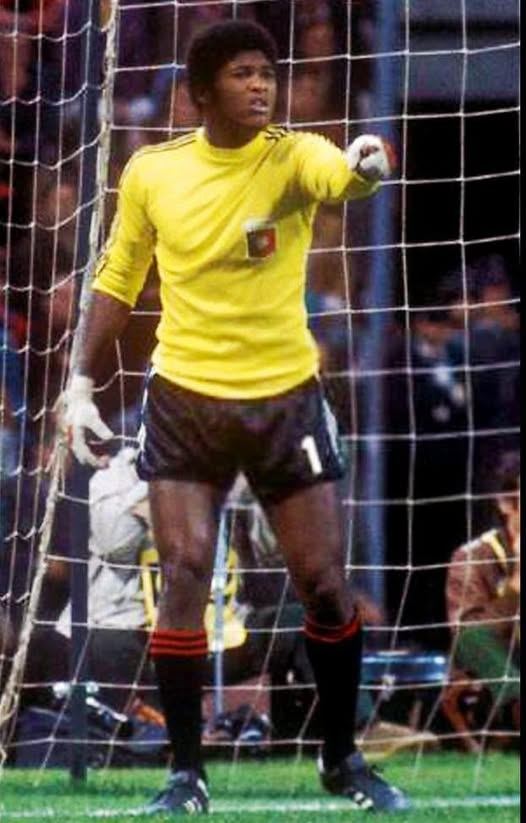
Part of a series profiling the surviving members of Haiti’s legendary 1974 World Cup squad
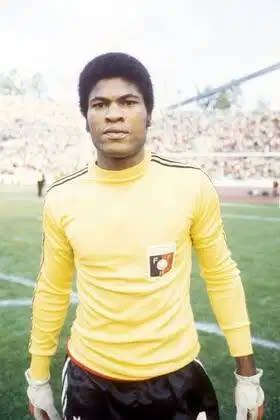
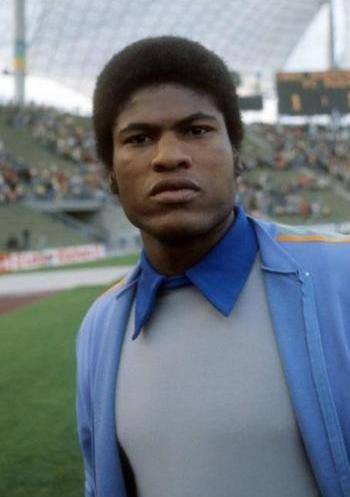
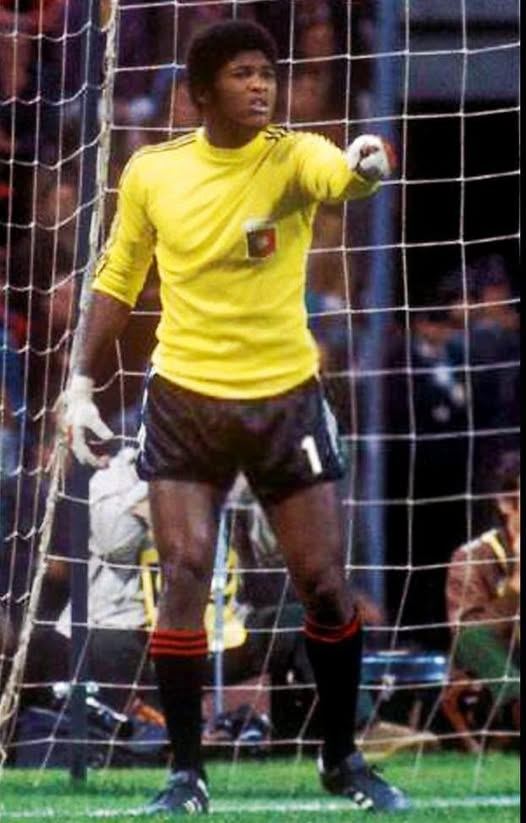
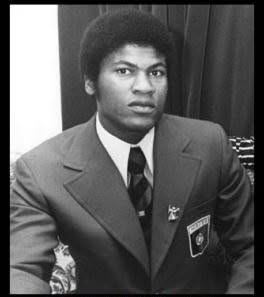
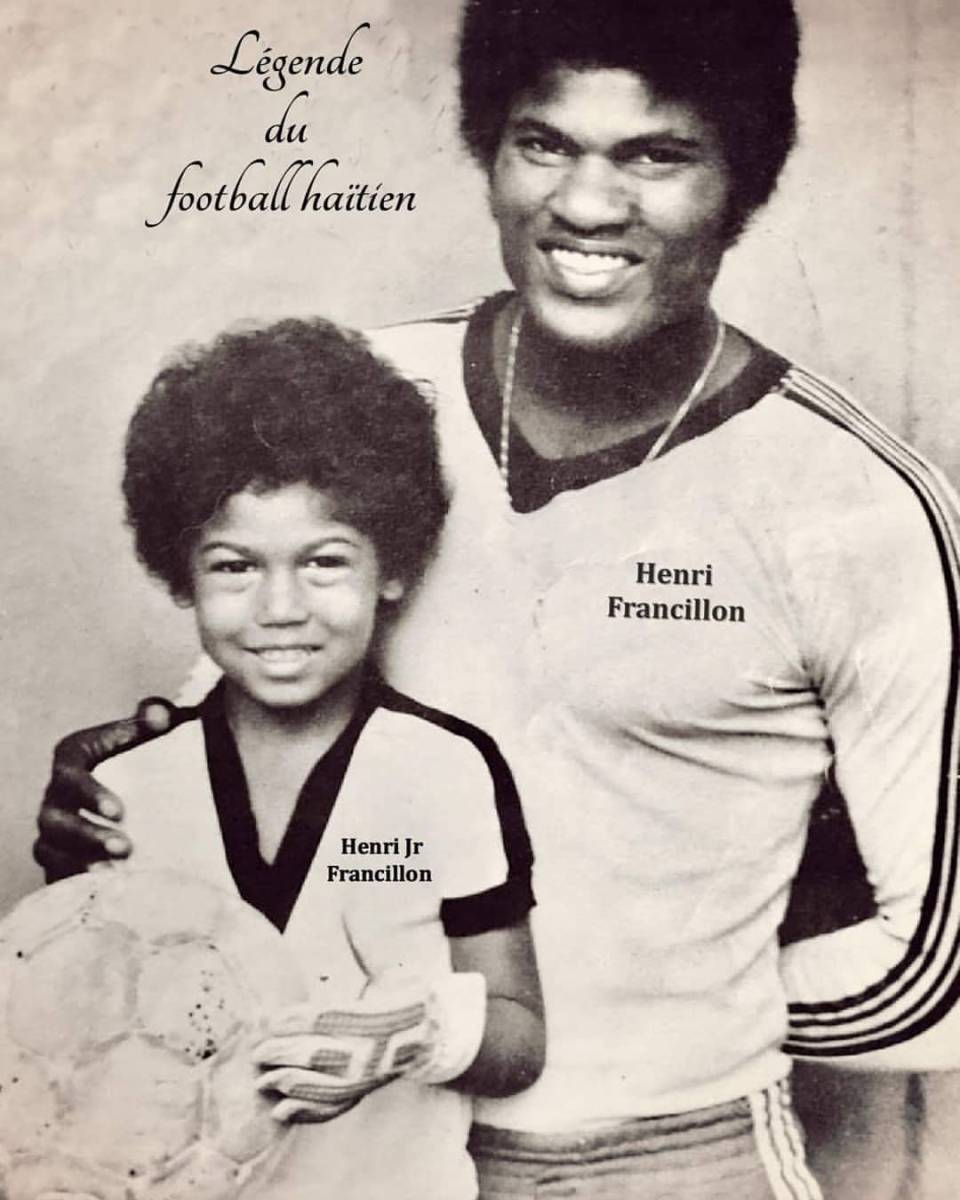
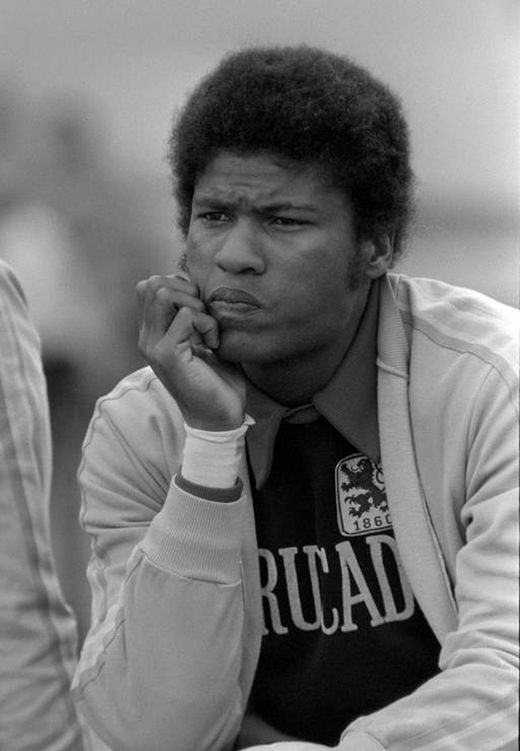
In the summer of 1974, a goalkeeper from Port-au-Prince stepped onto the grandest stage in football and refused to be overawed. His name was Henri Françillon, and for three matches in West Germany, he stood between the posts for Les Grenadiers as Haiti made history — becoming, in the words of those who were there, the first majority-Black Caribbean nation to reach a FIFA World Cup. Now 80 years old, Françillon is one of only thirteen members of that squad still alive, a living thread connecting Haiti’s storied past to its extraordinary present.
The Man in Goal
Born on 26 May 1946 in Port-au-Prince, Henri Françillon played as a goalkeeper for the Haitian Victory SC before becoming a fixture of the national team. By 1965, players like Henri Françillon, Philippe Vorbe, Guy Renold Jean François and Guy Saint-Vil were already playing in the national team and would be stalwarts of the side for years to come. By the time the 1974 World Cup arrived, Françillon had accumulated 56 caps for Haiti — more than almost anyone in the squad — making him not just the last line of defence on the pitch, but one of the most experienced men in the dressing room.
That experience earned him a nickname that captured both his style and his spirit: “The Caribbean Cat.” In 1974, Françillon reached the absolute peak of his physical and technical powers, becoming one of the most fascinating goalkeepers at the World Cup. His defining strengths were agility, one-on-one bravery, and explosive reactions. Françillon was never a passive goalkeeper waiting on his line — he attacked danger aggressively, charging forward to close angles and smother opportunities before attackers could properly set themselves.
Three Matches Against the World
Françillon started all three of Haiti’s group-stage matches: against Italy on June 15, against Poland on June 19, and against Argentina on June 23. The results — 3-1, 7-0, and 4-1 defeats — do not tell the full story. Haiti faced three of the most formidable footballing nations on earth. Italy were defending world champions. Poland would go on to finish third. Argentina were perennial contenders. That Haiti gave their all in all three, and that Françillon stood firm through the storm with composure and flair, was itself a form of triumph.
The defining moment of that tournament came in the Italy match, when Emmanuel Sanon’s second-half goal ended Dino Zoff’s extraordinary record of 1,142 minutes without conceding — a strike that sent shockwaves around the world and still echoes in Haitian football memory today. Françillon was the man at the other end, holding the line.
Breaking New Ground After the Whistle
When the tournament ended, Françillon did not return home and disappear into anonymity. Shortly after the tournament, he secured a move to TSV 1860 Munich, becoming one of the earliest Haitian footballers to establish a presence in elite European football. For a player coming from Caribbean football in the 1970s, this represented a groundbreaking achievement. In 1976, he continued his career in the National Soccer League with Ottawa Tigers in Canada, a journey that took him from Port-au-Prince to Munich to Ottawa — a remarkable arc for a man from a country the football world barely knew existed before that summer in West Germany.
His international career, according to records, ran from 1968 to 1977, during which he represented Haiti in 26 international fixtures.
Where Is He Now?
Henri Françillon turned 80 in May 2026, making him one of the elder statesmen of a generation that is, quietly, passing into history. Only 13 members of the 1974 squad are still alive, and as Haiti returned to the World Cup stage for the first time in 52 years — qualifying on November 18, 2025, with a 2-0 win over Nicaragua — the old guard have found themselves celebrated once more by a global diaspora hungry for connection to that foundational story.
The reunion carried particular weight because Haiti qualified on a date celebrated in the country as Victory Day, a resonance that linked the football triumph to the deeper history of Haitian independence and resilience. For surviving members of the 1974 squad, including Françillon, the moment was bittersweet and joyful in equal measure: proof that what they started half a century ago still matters.
Françillon is celebrated online by Haitian football communities in Haiti, the United States, Canada and France, where TikTok tributes and retrospectives have kept his legacy vivid for younger generations who never saw him play. Described in Haitian Creole posts as a lejand vivan — a living legend — he represents something larger than sport: a quiet pioneer who carried his country’s colours into the world before the world was ready to receive them.
A Legacy That Lives
In 2026, with Haiti back on football’s biggest stage, Henri Françillon’s story has taken on new urgency. The 1974 team was made up entirely of players born in Haiti — men who rose through the domestic league, trained under coach Antoine Tassy, and departed for West Germany as unknowns. What they left behind was a memory so powerful it has sustained a nation’s footballing identity across five decades of absence.
The Caribbean Cat may have long since hung up his gloves, but the saves he made, the goals he conceded without shame, and the path he blazed through European football still echo. At 80, Henri Françillon is living proof that some stories take a lifetime to be fully told.
Henri Françillon is one of 13 surviving members of Haiti’s 1974 World Cup squad. As Haiti competes at the 2026 FIFA World Cup in the United States, the global Haitian diaspora continues to honour the pioneers who made the nation’s return to the world stage possible

